
Creating the Perfect Digital Audio Workstation Setup for Small Studios
Setting up a digital audio workstation (DAW) in a small studio can feel overwhelming, but with the right guidance, it’s a manageable and rewarding process. At theautonomics.com, we understand the challenges faced by musicians and producers working in confined spaces, and this guide will equip you with the practical advice and assistance you need to build a powerful and efficient setup. A well-planned Digital Audio Workstation Setup for Small Studios will significantly impact your workflow and creative output.
Explore
- 1 Choosing Your Digital Audio Workstation
- 2 Essential Hardware for Your Small Studio
- 3 Optimizing Your Small Studio Acoustic Treatment
- 4 Software and Plugins: Expanding Your Creative Capabilities
- 5 Workflow and Organization: Maximizing Efficiency
- 6 Budget-Friendly Digital Audio Workstation Setup for Small Studios
- 7 Troubleshooting Common Issues in Small Studio Setups
- 8 Mastering Your Digital Audio Workstation Setup for Small Studios: A Step-by-Step Guide
- 9 The Ultimate Guide to a Powerful and Efficient Digital Audio Workstation Setup for Small Studios
Choosing Your Digital Audio Workstation
The heart of your Digital Audio Workstation Setup for Small Studios is the DAW itself. Several excellent options cater to various needs and budgets. Consider factors like ease of use, features, and compatibility with your existing hardware when making your choice. Popular choices include Ableton Live, Logic Pro X, Pro Tools, Cubase, and FL Studio. Each has strengths and weaknesses, so research thoroughly before committing. For beginners, a DAW with a user-friendly interface and comprehensive tutorials is crucial. More experienced users might prioritize advanced features like sophisticated MIDI editing or extensive plugin support. Remember, the best Digital Audio Workstation Setup for Small Studios starts with the right DAW for your skill level and musical goals.
Essential Hardware for Your Small Studio
A successful Digital Audio Workstation Setup for Small Studios requires more than just software. The hardware you choose will significantly impact your sound quality and workflow. Here’s a breakdown of essential components:
The Computer: The Foundation of Your Studio
Your computer is the engine that drives your Digital Audio Workstation Setup for Small Studios. Processing power is paramount, especially for complex projects involving many tracks and plugins. A modern processor (CPU) with multiple cores and a substantial amount of RAM (at least 16GB, ideally more) is essential. A solid-state drive (SSD) is highly recommended for faster loading times and improved performance. Consider investing in a computer specifically designed for audio production, as these often come with optimized components and cooling systems. A reliable Digital Audio Workstation Setup for Small Studios starts with a reliable computer.
Audio Interface: Bridging the Gap Between Digital and Analog
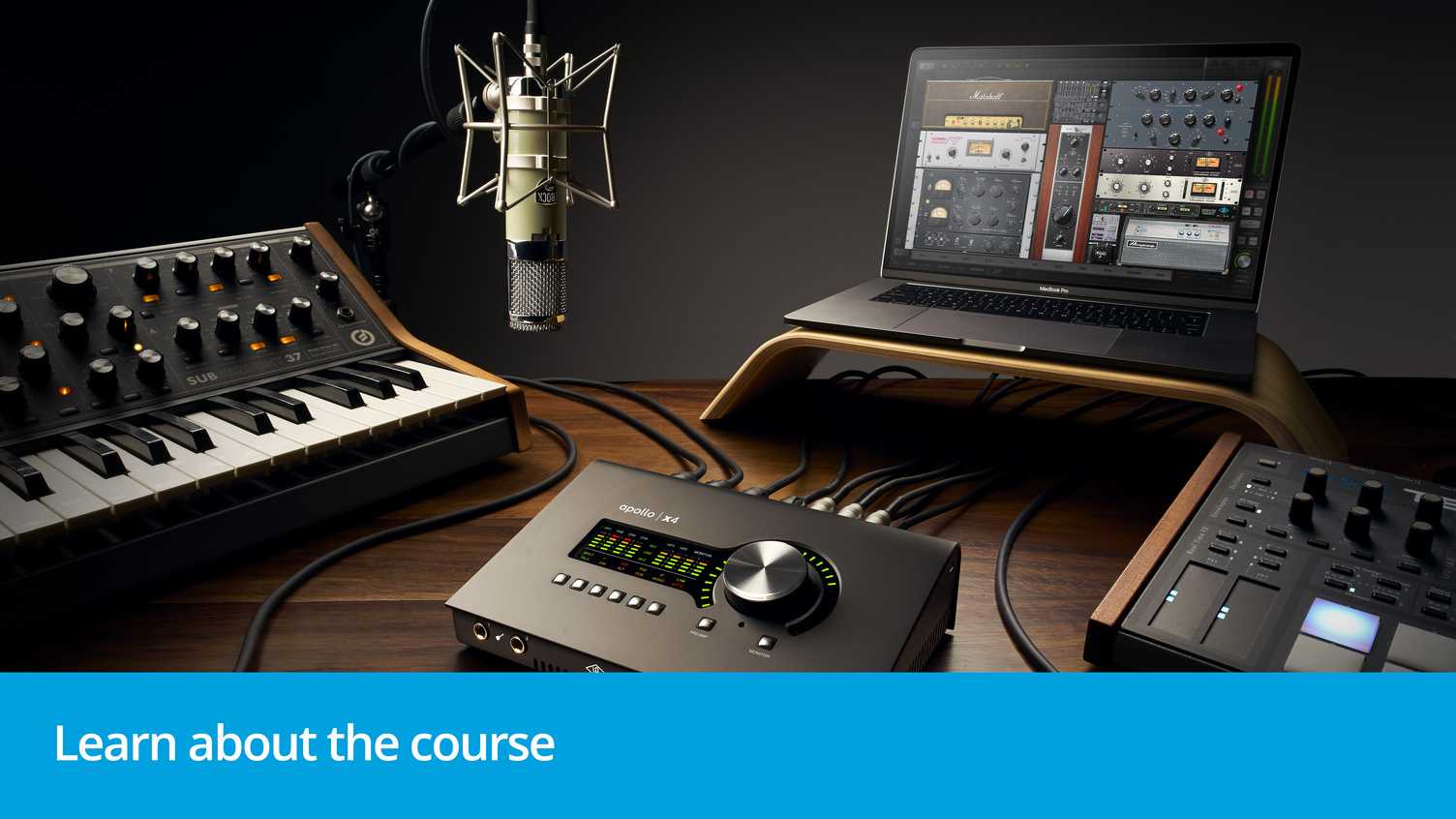
An audio interface acts as a bridge between your computer and your analog audio equipment (microphones, instruments, etc.). It converts analog signals to digital and vice versa, allowing you to record and play back audio. Choose an interface with enough inputs and outputs to accommodate your needs. Look for high-quality preamps for clean and powerful microphone recordings, and ensure it’s compatible with your DAW. A quality audio interface is a cornerstone of any effective Digital Audio Workstation Setup for Small Studios.
Monitors: Hearing Your Music Accurately

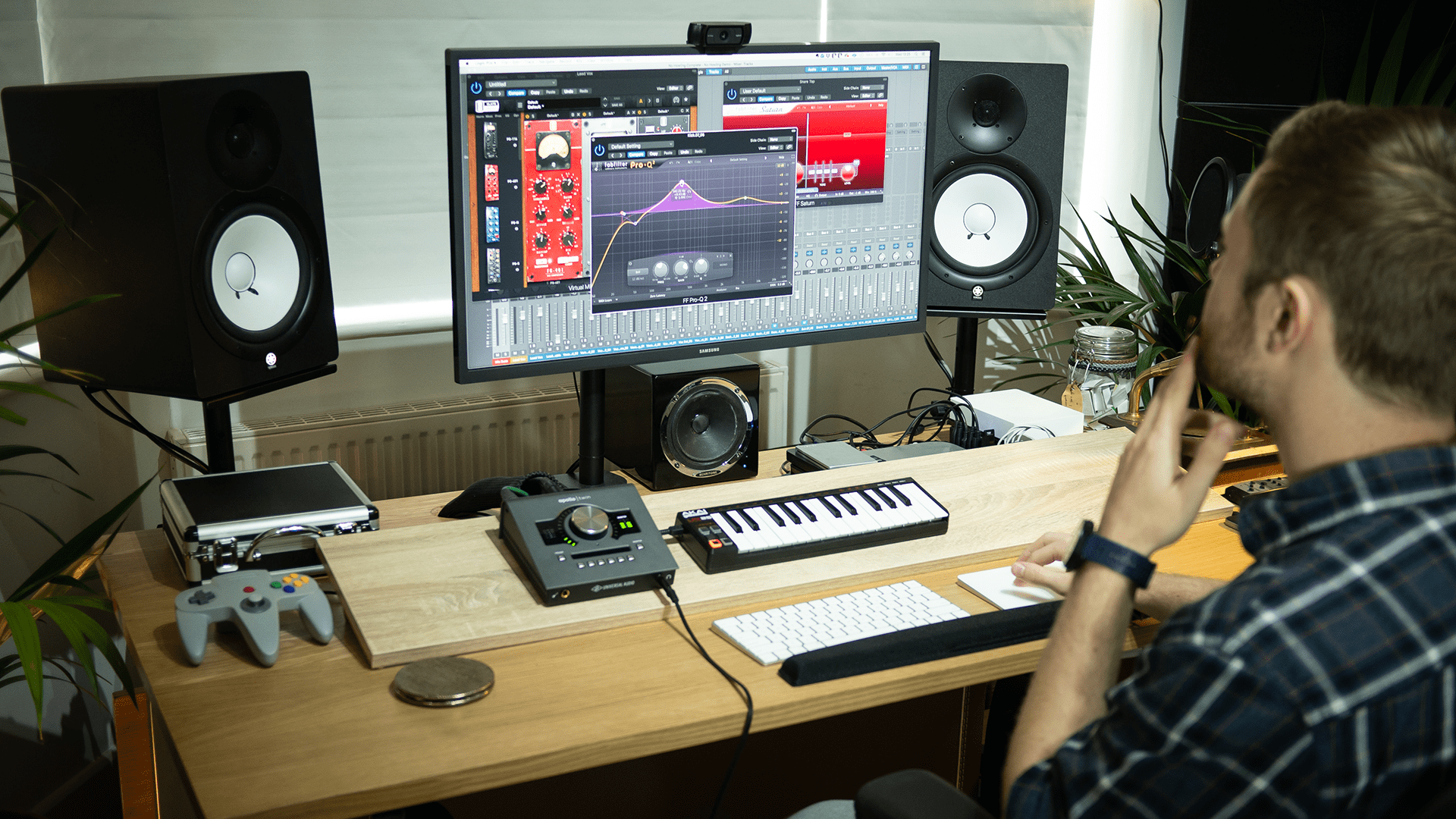
Studio monitors are specifically designed for accurate audio reproduction, unlike consumer-grade speakers. They provide a flat frequency response, allowing you to hear your mixes objectively. Invest in a pair of near-field monitors that are appropriate for the size of your room. Accurate monitoring is vital for a professional-sounding Digital Audio Workstation Setup for Small Studios.
Headphones: Essential for Mixing and Tracking
Headphones are essential for both tracking (recording) and mixing. Closed-back headphones are generally preferred for recording to prevent sound leakage into the microphone. Open-back headphones offer a more spacious soundstage, ideal for mixing, but they may not be suitable for tracking. Choose headphones that are comfortable for extended listening sessions and offer a balanced frequency response. A good pair of headphones is a vital component of a practical Digital Audio Workstation Setup for Small Studios.
Microphones: Capturing Your Sound
The choice of microphone(s) depends on your recording needs. Condenser microphones are often preferred for vocals and acoustic instruments due to their sensitivity and detailed sound. Dynamic microphones are more durable and handle high sound pressure levels better, making them suitable for loud instruments like drums and amplifiers. Start with one or two high-quality microphones and expand your collection as your needs evolve. Microphones are an important aspect of a complete Digital Audio Workstation Setup for Small Studios.
MIDI Keyboard: Controlling Virtual Instruments
A MIDI keyboard allows you to control virtual instruments and other MIDI-based devices within your DAW. The size and number of keys depend on your preferences and playing style. Look for a keyboard with velocity sensitivity for expressive playing. A MIDI keyboard is a beneficial addition to any Digital Audio Workstation Setup for Small Studios, especially for composing and arranging music.
Optimizing Your Small Studio Acoustic Treatment
Acoustic treatment is crucial for achieving a balanced and accurate sound within your small studio. Sound reflections can muddy your mixes and make it difficult to judge your audio accurately. Consider these treatments:
Acoustic Panels: Absorbing Unwanted Reflections
Acoustic panels absorb sound waves, reducing reflections and echoes. Place them strategically on walls and ceilings to minimize unwanted resonances. Experiment with placement to find the optimal balance for your room.
Bass Traps: Controlling Low-Frequency Issues
Bass traps are specifically designed to absorb low-frequency sounds, which can be particularly problematic in small rooms. Place them in corners to effectively control bass buildup.
Diffusion: Spreading Sound Evenly
Diffusers scatter sound waves, preventing the creation of standing waves and enhancing the overall sound quality. They are a valuable addition to any Digital Audio Workstation Setup for Small Studios.
Software and Plugins: Expanding Your Creative Capabilities
Beyond your DAW, software and plugins significantly enhance your Digital Audio Workstation Setup for Small Studios. Plugins provide a range of effects and virtual instruments, allowing you to shape your sound and add creative elements. Explore different plugins to find those that best suit your musical style. Start with a few essential plugins and gradually expand your collection. A smart Digital Audio Workstation Setup for Small Studios includes strategic plugin investments.
Workflow and Organization: Maximizing Efficiency
A well-organized workflow is essential for efficient music production. Develop a system for managing your projects, samples, and plugins. Learn keyboard shortcuts to speed up your workflow. A streamlined workflow is key to a productive Digital Audio Workstation Setup for Small Studios.
Budget-Friendly Digital Audio Workstation Setup for Small Studios
Building a professional-sounding Digital Audio Workstation Setup for Small Studios doesn’t require breaking the bank. Prioritize essential components first, and gradually upgrade as your budget allows. Start with a reliable computer, a decent audio interface, and a pair of studio monitors. Invest in high-quality microphones and headphones as your needs evolve. Remember, a successful Digital Audio Workstation Setup for Small Studios is a journey, not a destination.
Troubleshooting Common Issues in Small Studio Setups
Several common issues can arise when setting up a Digital Audio Workstation Setup for Small Studios. Latency (delay) can be caused by insufficient processing power or buffer size. Noise can result from poor grounding or interference. Feedback can occur due to improper microphone placement or monitor positioning. Addressing these issues is a key part of achieving a successful Digital Audio Workstation Setup for Small Studios.
Mastering Your Digital Audio Workstation Setup for Small Studios: A Step-by-Step Guide
- Plan your budget and prioritize essential equipment.
- Choose a DAW that matches your skill level and musical style.
- Acquire the necessary hardware, focusing on quality over quantity.
- Treat your room acoustically to minimize unwanted reflections.
- Organize your workflow to maximize efficiency.
- Gradually expand your software and plugin collection.
- Continuously learn and experiment to refine your setup.
The Ultimate Guide to a Powerful and Efficient Digital Audio Workstation Setup for Small Studios
Creating a truly exceptional Digital Audio Workstation Setup for Small Studios is an ongoing process of refinement. It involves careful consideration of your budget, your musical goals, and your workflow. By following the advice provided in this guide, you can establish a setup that empowers your creativity and allows you to produce professional-quality music, even in a limited space. A well-planned Digital Audio Workstation Setup for Small Studios is an investment in your musical future. Remember to adapt and evolve your setup as your skills and projects grow. This journey of creating the perfect Digital Audio Workstation Setup for Small Studios is a rewarding one that will enhance your musical journey. Your Digital Audio Workstation Setup for Small Studios is the foundation of your creative process. Invest wisely and enjoy the music-making!